
What is the Average Cost of Cataract Surgery in Sydney? NSW Pricing Trends
Understanding the financial investment required for vision restoration is a priority for thousands of New South Wales residents each year. As we move through 2026, the average cost of cataract surgery in Sydney remains a variable figure, influenced heavily by your choice of hospital, the specific technology used, and your level of private health insurance.
In the Australian healthcare landscape, patients generally navigate three distinct pathways: the fully subsidized public system, the gap-payment private model, and the self-funded private route. Each carries different implications for your “out-of-pocket” expenses. This guide provides a comprehensive breakdown of the current NSW pricing trends to help you budget effectively for your procedure.
See more: Life After Lens Replacement: Achieve 20/20 Without Glasses
The Core Components of Cataract Surgery Costs
Before looking at specific price points, it is essential to understand that “cataract surgery” is not a single line item. In a private Sydney clinic, your total bill is an aggregation of several professional and facility fees.
1. Specialist Surgeon Fees
The surgeon’s fee covers the preoperative assessment, the surgical procedure itself (MBS Item 42702), and standard postoperative follow-ups. In Sydney, specialist fees typically range from $2,100 to $3,500 per eye.
2. Anaesthetist Fees
A specialist anaesthetist is required to administer sedation and monitor your vitals. Their fees generally range between $450 and $700. While a portion is rebated by Medicare, there is often a “gap” in private settings.
3. Hospital or Day Surgery Theatre Fees
This is often the most significant “hidden” cost for uninsured patients. Theatre fees in Sydney private hospitals range from $1,200 to $2,500. This covers the nursing staff, specialized equipment, and the sterilized environment.
4. The Intraocular Lens (IOL)
The type of lens used to replace your natural cloudy lens significantly dictates the final price.
- Standard Monofocal Lenses: Usually included in the base package.
- Premium Lenses (Toric, Multifocal, EDOF): These can add an additional $1,500 to $3,500 per eye in out-of-pocket costs, as they are often classified as “upgrades” by health funds.
2026 Average Pricing Table: Sydney & NSW
The following table outlines the estimated out-of-pocket expenses for a single eye procedure in the current Sydney market.
| Pathway | Estimated Out-of-Pocket Cost (Per Eye) | Typical Wait Time |
| Public Hospital (Medicare) | $0 | 9 – 18 Months |
| Private (With Gold Hospital Cover) | $0 – $500 | 1 – 4 Weeks |
| Private (With Silver/Bronze Cover) | $500 – $1,500 | 1 – 4 Weeks |
| Self-Funded (Uninsured) | $3,500 – $5,500 | 1 – 3 Weeks |
Note: Prices are estimates based on 2026 NSW market data and may vary by provider.
Public vs. Private: Why the Price Gap?
The primary question for many Sydney residents is: What is the average cost of cataract surgery in Sydney when choosing the public system versus the private system?
The Public System (Medicare)
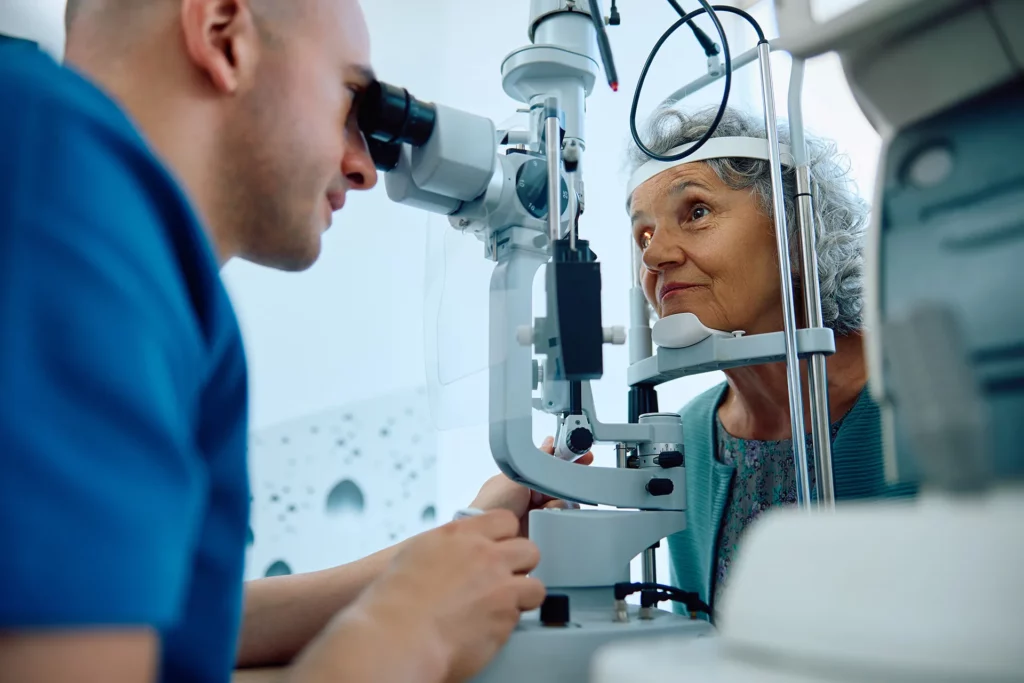
In the NSW public health system (such as at the Sydney Eye Hospital), the procedure is 100% bulk-billed. You pay nothing for the surgeon, the hospital, or the standard monofocal lens. However, you cannot choose your surgeon, and wait times in metropolitan Sydney often exceed 12 months for non-urgent cases.
The Private System
Choosing private care allows you to select a specific surgeon and schedule the surgery within weeks. The trade-off is the “gap.” Even with private health insurance, you may face costs if your surgeon charges above the Medicare Benefits Schedule (MBS) rate.
Expert Insight: Many Sydney clinics now offer “No-Gap” or “Known-Gap” arrangements with major funds like Bupa, Medibank, and HCF. Always ask your clinic’s billing manager if they participate in these programs to cap your expenses.
Step-by-Step: Navigating the Billing Process
To avoid “bill shock,” follow this framework when planning your surgery in NSW:
- Initial Consultation: Expect to pay $200–$350 for your first specialist visit. You will receive a Medicare rebate of approximately $80.
- Diagnostic Biometry: High-precision eye mapping is required to select your lens. This usually costs $100–$200.
- The Informed Financial Consent (IFC): Your surgeon must provide a written quote. This document breaks down the MBS item numbers, the surgeon’s fee, and the estimated hospital and anaesthetic gaps.
- Health Fund Check: Take your IFC to your private health insurer. Ask them: “Does my policy cover clinical category ‘Cataracts’ and what is my hospital excess?”
Common Mistakes to Avoid When Budgeting
- Ignoring the “Cataracts” Category: Some “Silver Plus” or “Bronze” policies exclude cataract surgery. If you upgrade your cover to include it, be aware of the standard 12-month waiting period for pre-existing conditions.
- Not Factoring in Post-Op Drops: Medicated eye drops are essential for recovery and can cost $50–$100 at the pharmacy; these are rarely included in the surgical quote.
- Assuming Both Eyes are Covered in One Price: Almost all quotes provided by Sydney specialists are per eye. If you require bilateral surgery, you must double your budget.
Internal & External References
- Internal Suggestion: [Cataract Surgery Recovery Guide: What to Expect in the First 48 Hours]
- Internal Suggestion: [Choosing the Right Intraocular Lens: Monofocal vs. Multifocal]
- External Reference: Check the Australian Government Medical Costs Finder for official 2026 fee distributions in the Sydney region.
- External Reference: Consult the MBS Online (Medicare Benefits Schedule) for the latest rebates on Item 42702.
Frequently Asked Questions (FAQ)
Is cataract surgery free for pensioners in Sydney?
Yes, in the public system, it is free for all Medicare cardholders, including pensioners. In the private system, some surgeons offer discounted “pensioner rates” or “no-gap” surgery, but you may still need to pay the hospital excess.
Does Medicare cover premium multifocal lenses?
Medicare and private health funds generally only cover the cost of a “clinically necessary” monofocal lens. If you choose a premium multifocal or EDOF lens to reduce dependency on glasses, you will usually pay the “lens gap” yourself.
How much is the anaesthetist gap?
In Sydney, the out-of-pocket anaesthetic cost typically ranges from $200 to $400, depending on the length of the procedure and the provider’s billing policy.
Can I use my superannuation to pay for surgery?
Under “Compassionate Release of Superannuation” rules, some Australians access their funds for essential medical treatment like cataract surgery if they are in acute pain or facing vision loss. You will need supporting letters from your GP and specialist.
What is the “Gap” exactly?
The gap is the difference between what the doctor charges and what Medicare plus your private health fund will pay. If a surgeon charges $2,500 and the combined rebate is $1,800, your gap is $700.
Conclusion: Balancing Cost and Quality
When researching what is the average cost of cataract surgery in Sydney, it is clear that NSW pricing trends favor those with high-level private cover or the patience to navigate the public system. While a self-funded procedure can cost upwards of $4,000 per eye, the investment provides immediate access to life-changing technology and specialist expertise.
To take the next step, obtain a referral from your optometrist or GP to a Sydney-based ophthalmologist. Request a comprehensive “Informed Financial Consent” document at your first appointment to ensure your vision restoration journey is transparent and stress-free.
Related Posts
Cataracts at 50? Why Vision Loss Isn’t Just a Senior Problem
When we think of cataracts, most of us picture someone…