
Introduction
Sleep is essential for health, yet millions of Australians suffer from poor sleep due to undiagnosed disorders. Modern sleep testing technology has evolved significantly, providing more accurate, comfortable, and convenient ways to diagnose sleep issues. From advanced in-lab polysomnography to wearable home devices, these innovations allow specialists to deliver tailored treatments that improve both sleep quality and overall health.
What is a Sleep Test?
A sleep test or sleep study monitors your body while you sleep to identify potential disorders. Measurements often include:
- Brain activity (EEG)
- Eye movement
- Heart rate and rhythm
- Breathing patterns
- Blood oxygen levels
- Muscle activity
This data helps sleep specialists diagnose conditions such as sleep apnoea, insomnia, narcolepsy, and restless leg syndrome. Accurate testing ensures personalised treatment and better outcomes.
Preparing for Your First Sleep Study
Proper preparation ensures accurate results and a comfortable experience:
- Maintain a consistent sleep schedule in the days before the study
- Avoid caffeine, alcohol, and sedatives on the testing day
- Wear loose, comfortable clothing
- Bring personal comfort items, like pillows or blankets
- Follow your doctor’s instructions regarding medications
Being prepared reduces anxiety and helps monitoring equipment capture reliable data.
In-Lab vs Home Sleep Studies
In-Lab Polysomnography (PSG)
- Conducted overnight in a sleep clinic
- Comprehensive monitoring of brain activity, heart rate, breathing, oxygen, and muscles
- Supervised by trained technicians
- Ideal for complex or unclear sleep disorders
Home Sleep Tests
- Conducted in your own bed for comfort
- Focuses on breathing, oxygen levels, and heart rate
- Simple setup with remote guidance
- Suitable for suspected sleep apnoea or routine monitoring
Both methods are effective, with the choice depending on your symptoms, comfort, and medical advice.
The Latest Advancements in Sleep Testing
1. Wearable Technology
- Lightweight wristbands and patches monitor sleep patterns, heart rate, and oxygen levels
- Less intrusive than traditional electrodes
- Ideal for home sleep testing and long-term monitoring
2. Wireless and Smart Sensors
- Reduce the need for multiple wires and electrodes
- Provide real-time data to sleep specialists
- Improve patient comfort during in-lab studies
3. AI and Machine Learning Analysis
- Automated analysis of sleep data for faster and more accurate diagnosis
- Identifies subtle patterns in breathing, heart rate, and sleep stages
- Supports personalised treatment plans
4. Portable Home Devices
- Compact, easy-to-use devices enable sleep testing in a familiar environment
- Improved accuracy and comfort compared to older home testing kits
- Tracks oxygen, heart rate, and breathing events overnight
These advancements make sleep testing more patient-friendly, efficient, and reliable, allowing for earlier diagnosis and improved treatment outcomes.
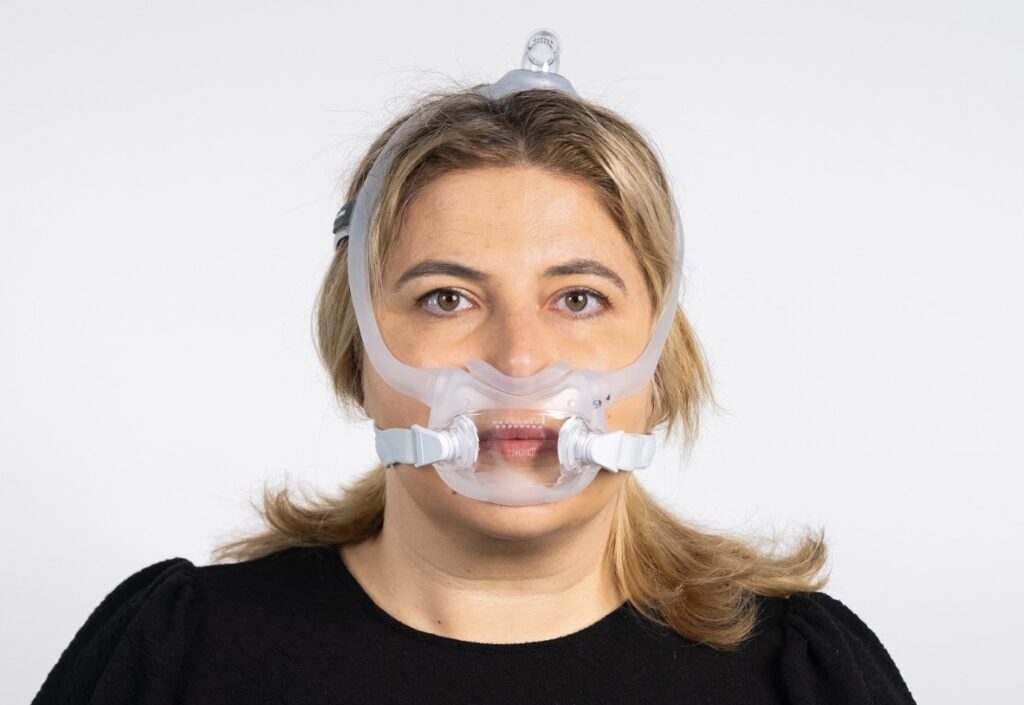
What to Expect During the Night
In-Lab Study
- Sensors attach to monitor brain waves, heart rate, breathing, and muscles
- Nasal cannula and finger sensors track oxygen
- Technicians available for adjustments and guidance
- Environment designed to mimic natural sleep
Home Study
- Wearable devices record essential parameters in your own bed
- Easy setup with remote support from sleep clinic staff
- More natural sleep experience, reducing anxiety for first-time patients
How Sleep Test Results Are Used
Sleep specialists analyse the data to:
- Diagnose specific sleep disorders
- Recommend treatments such as CPAP therapy, lifestyle modifications, or medications
- Monitor progress and evaluate treatment effectiveness
- Provide detailed reports for ongoing care
These results help patients achieve better sleep, increased energy, and improved overall health.
Benefits and Potential Discomforts
Benefits
- Accurate diagnosis and personalised treatment
- Improved sleep quality and daytime alertness
- Reduced risk of health complications like heart disease or diabetes
- Enhanced understanding of personal sleep patterns
Potential Discomforts
- Mild skin irritation from electrodes
- Slight nasal discomfort from breathing sensors
- Minor sleep disruption from monitoring equipment
Modern technology has made studies more comfortable and less intrusive than older methods.
Patient Experiences
- “The wearable home device was easy to use and much more comfortable than I expected.”
- “The in-lab study was simpler than I imagined, and the technicians helped me relax.”
- “The results helped my doctor create a plan that improved both my sleep and daytime energy.”
Real patient experiences show that modern sleep testing is manageable and highly beneficial.
Conclusion
The latest advancements in sleep testing technology—wearable devices, wireless sensors, AI analysis, and portable home kits—have revolutionised diagnosis and treatment. Whether at home or in a clinic, modern sleep studies are accurate, comfortable, and informative, helping patients achieve better sleep, improved energy, and overall health.
FAQs
1. What are the newest technologies in sleep testing?
Modern sleep testing includes wearable devices, wireless sensors, AI-powered analysis, and portable home kits. These innovations improve comfort, accuracy, and convenience for diagnosing sleep disorders like sleep apnoea, insomnia, and restless leg syndrome.
2. Are home sleep tests as accurate as in-lab studies?
For certain conditions like sleep apnoea, home sleep tests are highly accurate. While in-lab studies provide more comprehensive data, modern portable devices and wearable technology make home tests reliable and convenient.
3. How do AI and machine learning improve sleep studies?
AI analyses large datasets to identify subtle patterns in breathing, heart rate, and sleep stages, allowing for faster and more accurate diagnoses. This supports personalised treatment plans and improves patient outcomes.
4. Will I be comfortable during a modern sleep study?
Modern studies use wireless sensors and wearable devices, reducing wires and intrusion. Most patients experience minimal discomfort, and technicians provide guidance to ensure a smooth, restful experience.
5. How soon will I get results from a sleep study?
Results are typically available within a few days to a week. Your sleep specialist will review the data, diagnose any disorders, and provide recommendations to improve sleep quality, energy, and overall health.
Related Posts
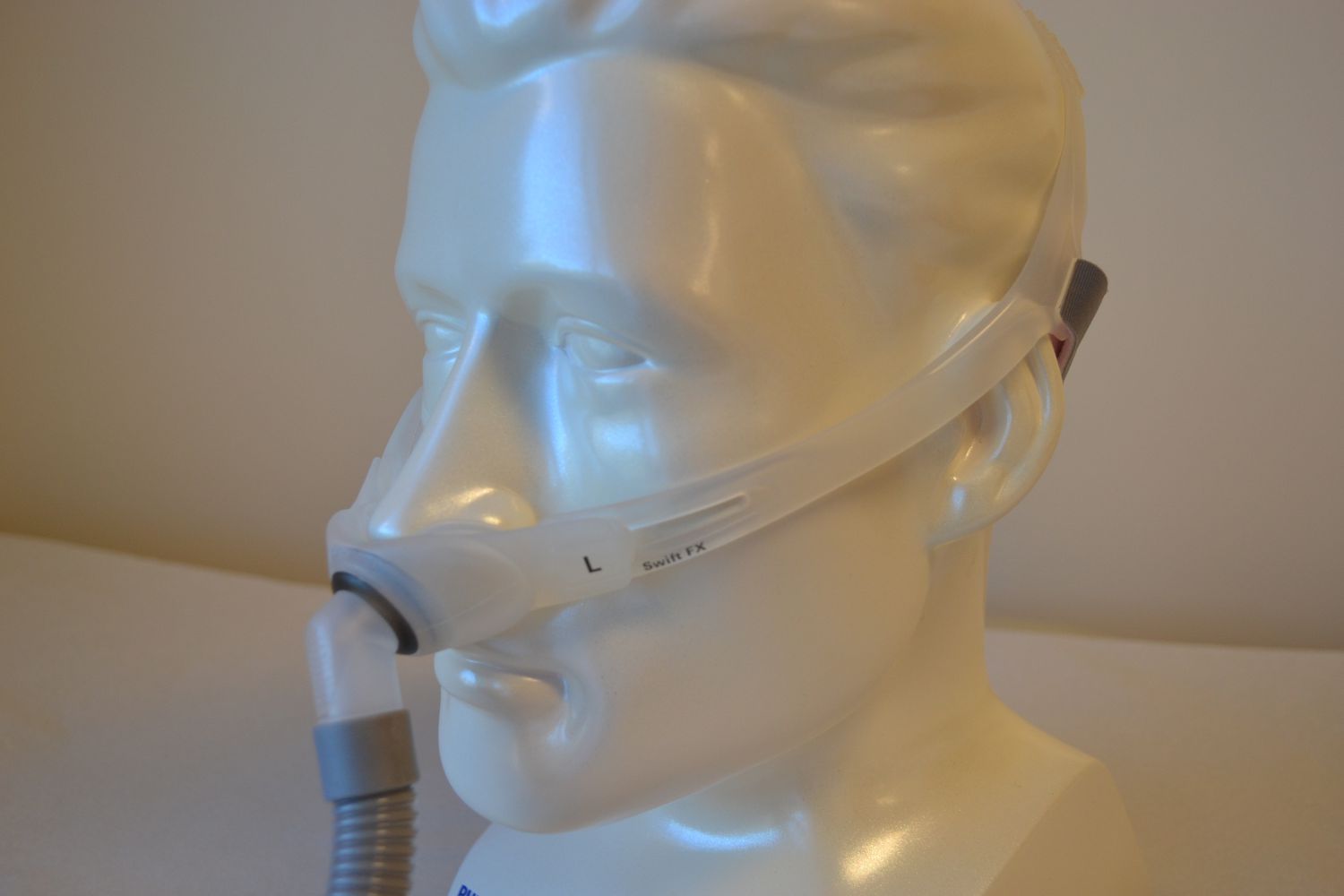
How to Choose the Right CPAP Mask for Your Sleep Therapy Needs
Continuous Positive Airway Pressure (CPAP) therapy is a common treatment…